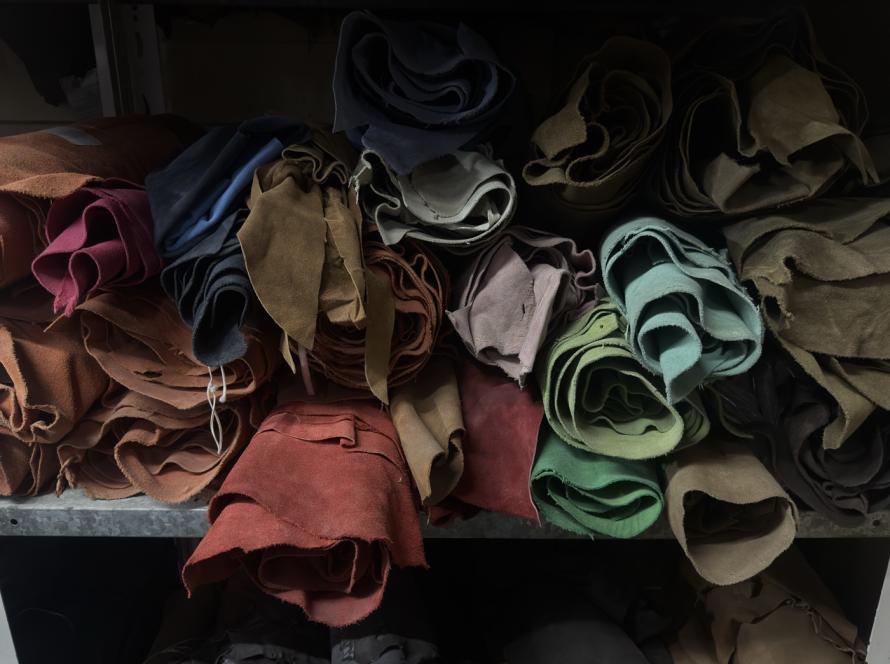

Pick the wrong leather for a style or a price point and you often don’t find out until a few hundred jackets are sitting in your warehouse. The leather sets how the jacket feels in the hand, how it hangs, what it weighs, how long it lasts and what you can charge for it.
We’ve been a leather garments manufacturer in Pakistan for over 25 years, making jackets in Karachi in every leather on this page. Sheepskin is what we use most and know best, but we cut all of these regularly. For each one you get the numbers: thickness and weight, how it wears, and roughly what a jacket costs to make.
How is leather graded before we discuss types?
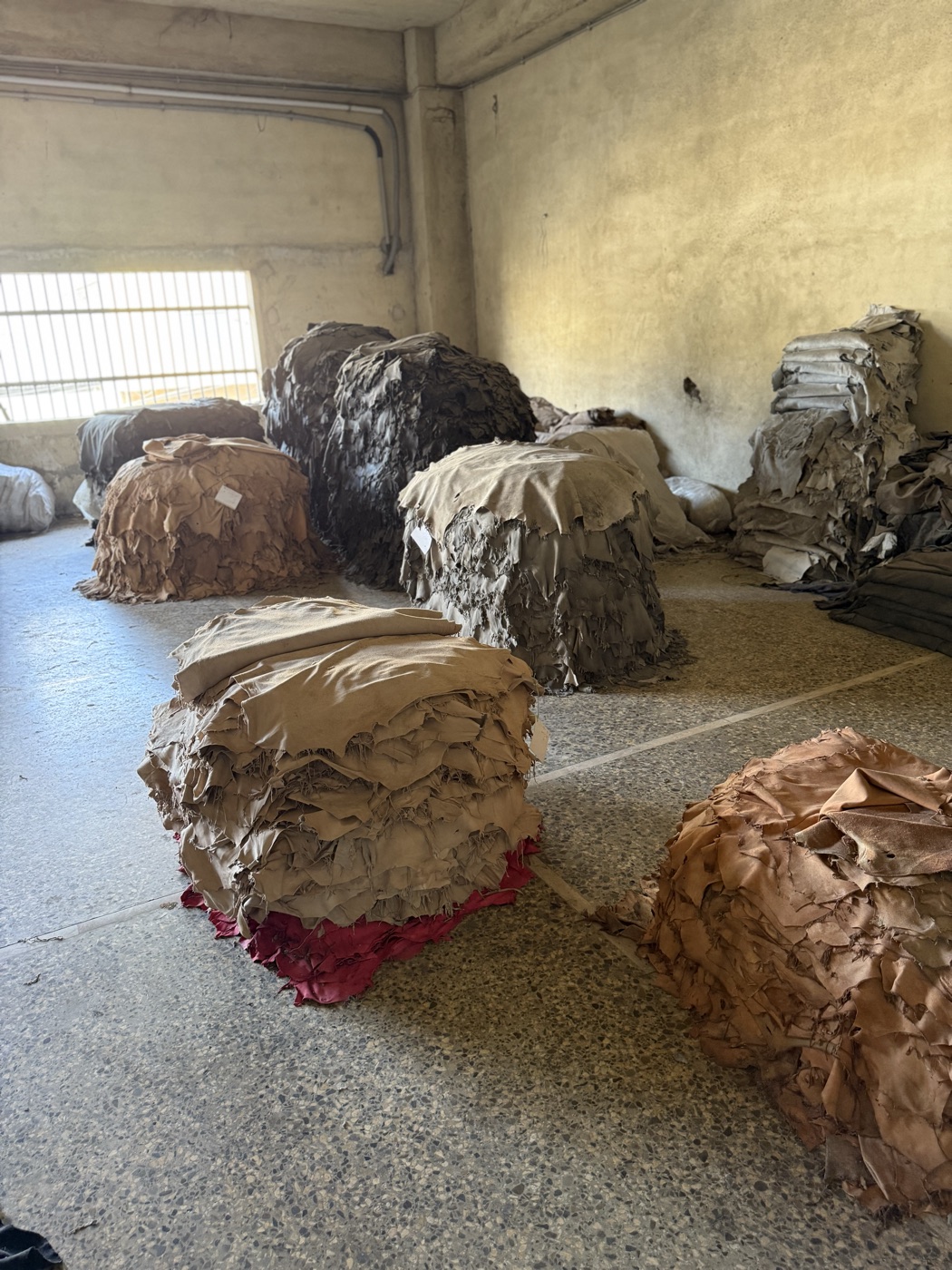
Before the animal, look at the grade, which is about how much of the hide’s surface is left.
Full-grain is the outer surface of the hide, left as it is. Nothing sanded or buffed, no artificial finish. It keeps the whole natural grain, it’s the strongest grade, and it gets better looking as it ages and picks up a patina. It’s also the most expensive.
Top-grain has been lightly sanded or buffed to take off small marks, then given a finishing coat. It’s more even than full-grain with a bit less character, and it’s the usual grade in mid to upper-range jackets.
Corrected-grain is sanded harder to remove defects, then embossed with a fake grain pattern and coated. It’s cheaper and very uniform, but it lacks depth and doesn’t age as well. You see it a lot in mass-market jackets.
Split leather, often sold as “genuine leather”, is the lower layer left after the grain has been taken off. It’s thinner and weaker. The name sounds reassuring, but “genuine leather” is the lowest grade of real leather there is, and we wouldn’t use it for a jacket.
If you want to sell at a believable price, use full-grain or top-grain. Go below that and customers notice, even if they can’t say why.
What is sheepskin leather?
Garment sheepskin comes from adult sheep. It’s our main material and the one we suggest most often for fashion jackets, because for most styles and price points it’s the best compromise between feel and cost.
Properties
| Property | Specification |
|---|---|
| Thickness | 0.6 to 1.0 mm |
| Weight per sq ft | 1.5 to 2.5 oz |
| Finished jacket weight | 1.3 to 2.0 kg |
| Texture | Soft and smooth with a fine grain. Slightly more visible grain than fine young sheepskin, much softer than cowhide. |
| Durability | Moderate to good. Tougher than fine young sheepskin because the fibre in an adult hide is thicker and more mature. |
| Break-in period | Minimal. Comfortable from the first wear. |
| Natural properties | Contains some residual lanolin, which gives mild water resistance and helps it stay supple. |
Best applications
It works for nearly every jacket style. It’s what we’re asked for most on bombers, cafe racers, shirt jackets and women’s bikers, and it’s strongest in fashion collections retailing at $200 to $500.
Pakistan has over 200 million head of livestock, and sheep are a good share of that. The Karachi tanneries go through millions of sheepskins a year, so we can get good skins quickly and at a fair price.
Price tier
Mid-range. Standard sheepskin sits between cowhide (cheaper) and fine sheepskin (dearer). A sheepskin jacket costs roughly $65 to $110 to make, depending on the style.
What is cowhide leather?
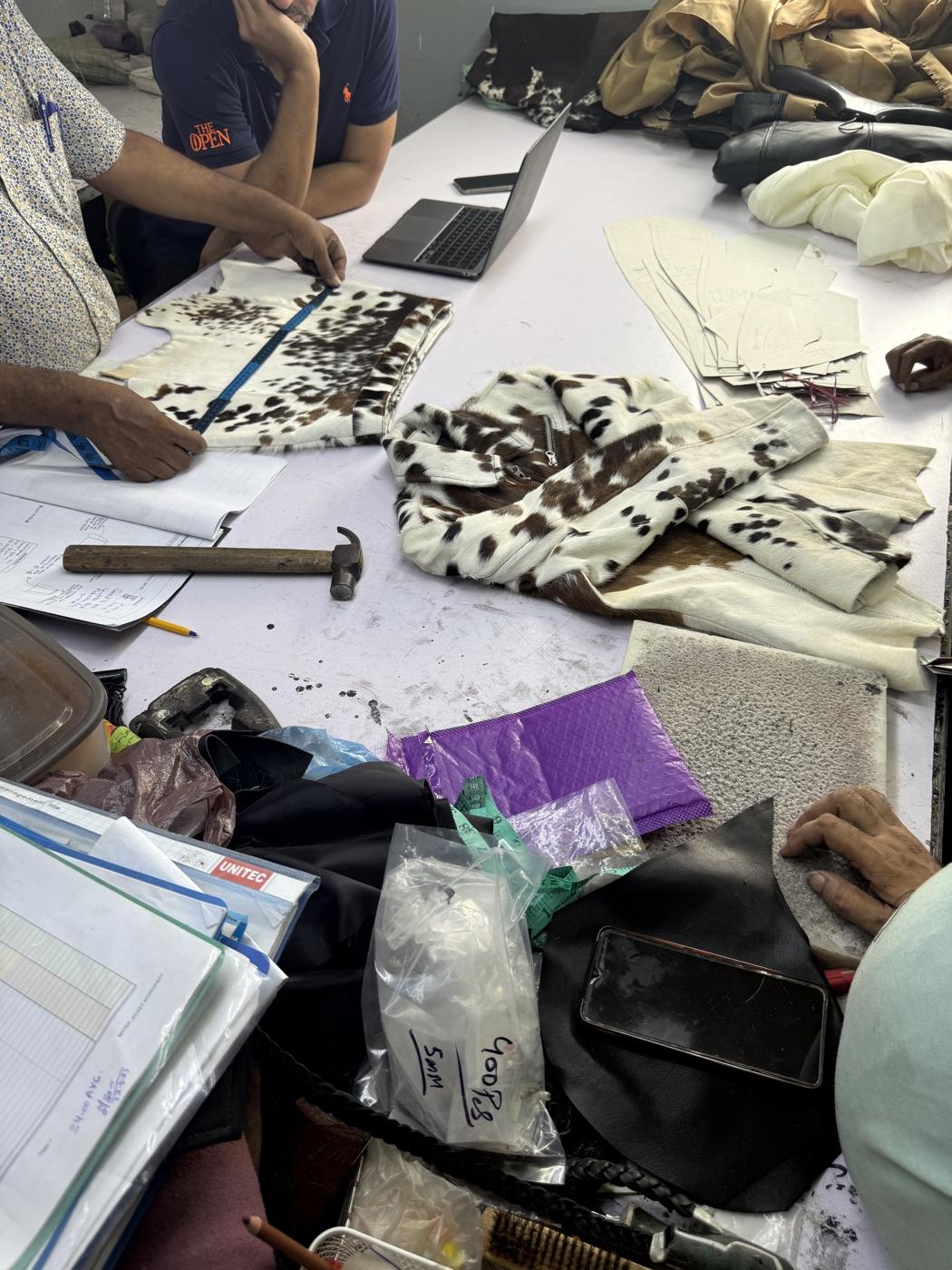
Cowhide, from adult cattle, is the most used leather in the world.
Properties
| Property | Specification |
|---|---|
| Thickness | 1.0 to 1.4 mm (for jackets; thicker cuts exist for belts and motorcycle armour) |
| Weight per sq ft | 3.0 to 4.5 oz |
| Finished jacket weight | 2.0 to 3.2 kg |
| Texture | Firm and substantial with a pronounced grain. May show natural markings. |
| Durability | The toughest of the common jacket leathers. Hard to tear, scuff or puncture. |
| Break-in period | Long. A new cowhide jacket is stiff and takes weeks to months to soften and shape to the body. |
Cowhide grades explained
Full-grain cowhide is the top of the range. The natural surface is left on and it develops a deep patina. Heritage brands and top-end bikers use it, and the healed scratches, insect bites and growth marks are treated as character, not faults.
Top-grain cowhide has a lightly corrected surface and looks more even. It’s the usual grade for mid-range and better jackets, and it’s easier on the cutting table because a consistent surface means less waste.
Corrected-grain cowhide is heavily processed and embossed, even-looking and cheap. It goes into mass-market and fast-fashion jackets where price is everything.
Best applications
Classic biker and moto jackets, motorcycle gear, Western jackets, heavy bombers, and anything where structure and a long life matter. Cowhide is the traditional leather for the double-rider biker jacket, because it’s firm enough to hold the lapels and thick enough to actually protect against abrasion.
Price tier
Moderate. Cowhide is cheaper per square foot than sheepskin because the hides are so much bigger, 40 to 50 sq ft against 6 to 9 sq ft for a sheepskin, so less is wasted at cutting. A cowhide jacket costs roughly $60 to $110 to make.
What is goatskin leather?
Goatskin doesn’t get the attention it deserves. It sits nicely between soft and tough. Pakistan is one of the world’s big producers of good goatskin, and we use it regularly.
Properties
| Property | Specification |
|---|---|
| Thickness | 0.7 to 1.0 mm |
| Weight per sq ft | 2.0 to 3.0 oz |
| Finished jacket weight | 1.5 to 2.2 kg |
| Texture | A distinctive pebbled grain. Softer than cowhide, firmer than sheepskin. |
| Durability | Good to very good. The tight fibre makes it strong for its weight, and natural lanolin gives mild water resistance. |
| Break-in period | Short. Softens quickly and keeps its shape. |
Best applications
Bombers, field jackets, casual overshirts, and designs where you want comfort and a long life. The pebbled grain photographs well, which matters more than people think if you sell mostly online.
Price tier
Moderate to high, about the same as standard sheepskin and between cowhide and fine sheepskin. A goatskin jacket costs roughly $70 to $120 to make.
What is fine sheepskin?
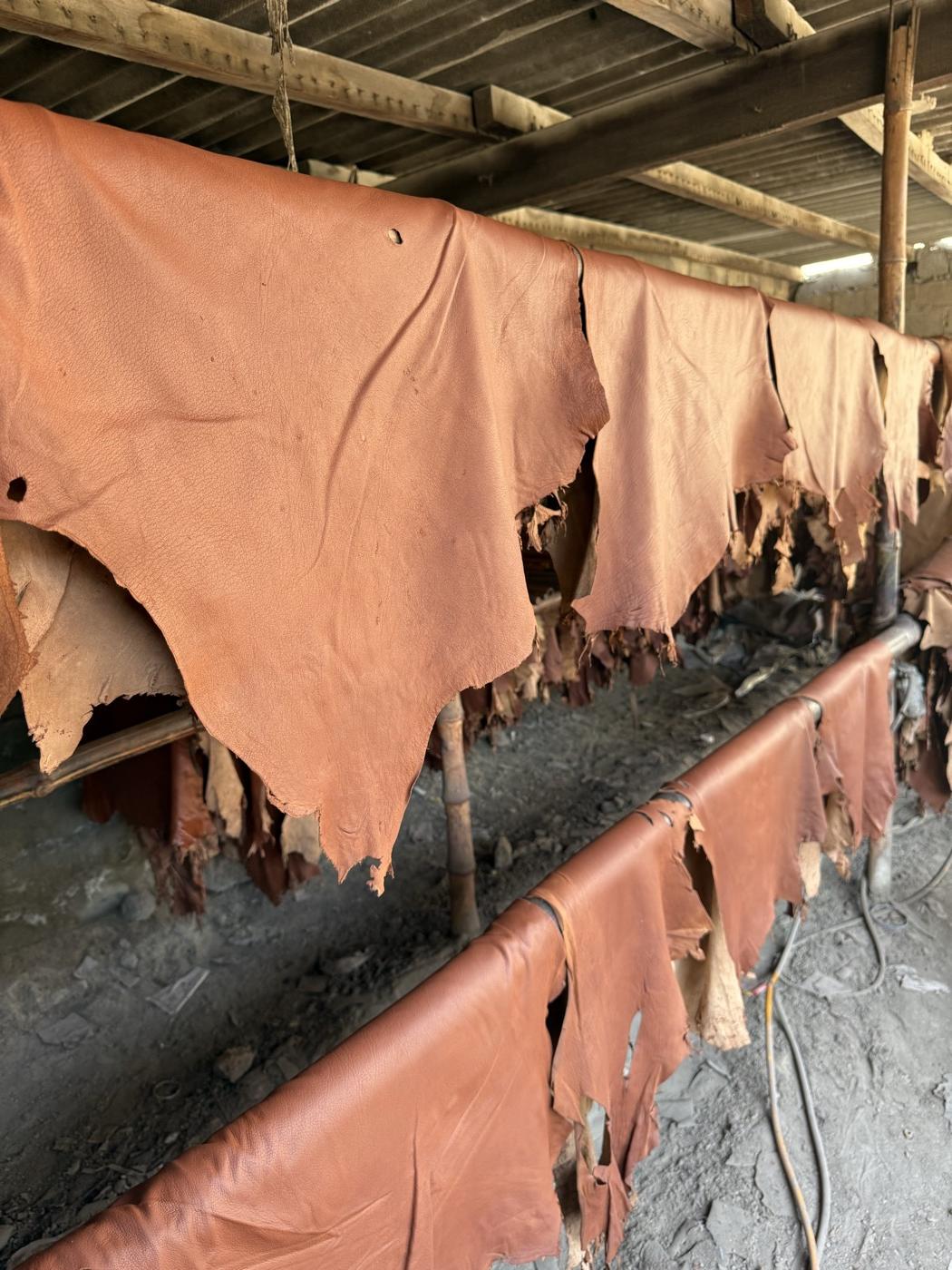
Fine sheepskin is the top grade of sheepskin, from younger animals. It’s the softest leather in regular jacket use, with a very fine grain, and we offer it for brands selling at the top end.
Properties
| Property | Specification |
|---|---|
| Thickness | 0.5 to 0.8 mm |
| Weight per sq ft | 1.2 to 1.8 oz |
| Finished jacket weight | 1.0 to 1.6 kg |
| Texture | Very soft, buttery hand-feel. Fine, tight grain with a natural sheen. |
| Durability | Moderate. Scratches and scuffs more easily than standard sheepskin or cowhide, because the fibre is thinner and younger. |
| Break-in period | None. Soft from the first moment. |
Best applications
High-end fashion jackets, slim cuts, cafe racers and minimal bombers, anywhere the feel is the main reason to buy. It does especially well in womenswear and at $400 and up.
Price tier
High. It costs more per square foot than standard sheepskin because the skins are smaller, there’s less of it, and demand at the top end pushes the price up. A fine sheepskin jacket costs roughly $80 to $140 to make.
Standard or fine sheepskin: how to choose
Buyers often don’t realise how much sheepskin grades differ. Fine sheepskin from younger animals is thinner, softer and more delicate. Standard and heavier garment sheepskin from adult sheep is a bit thicker, wears better and costs less. For most wholesale orders, standard sheepskin makes more commercial sense. We’d only push fine sheepskin when the brand sits at the top end and the customer will pay more and accept a jacket that needs more care.
What is shearling leather?
Shearling is sheepskin tanned with the wool left on. The leather goes on the outside and the wool faces in, which makes it warm without any padding.
Properties
| Property | Specification |
|---|---|
| Leather thickness | 0.8 to 1.2 mm (plus wool pile of 10 to 25 mm) |
| Finished jacket weight | 2.5 to 4.0 kg (heavier because of the wool) |
| Texture | Smooth leather outside, natural wool inside, usually sheared to an even length. |
| Insulation | Very good. Wool is one of the best natural insulators. |
| Durability | Good. The outside handles weather well and the wool keeps its loft for years if it’s looked after. |
Best applications
Aviator jackets, rancher coats, bombers with shearling collars and serious winter coats. Between the skin cost and the harder construction, shearling is never a cheap jacket. It sells best where winters are real: Northern Europe, the UK, Canada and the northern US.
Price tier
High. Good skins are expensive, and the thick, woolly material takes more labour to cut and sew. A shearling jacket costs roughly $120 to $200 or more to make, depending on pile length and design.
What is suede?
Suede is a finish rather than a separate animal. It’s the inner, flesh side of a split hide, buffed up into a soft nap. It can come from sheep, goat, cow or pig, but for jackets it’s mostly sheep and goat.
Properties
| Property | Specification |
|---|---|
| Thickness | 0.5 to 0.9 mm (varies by source hide) |
| Weight per sq ft | 1.5 to 2.5 oz |
| Finished jacket weight | 1.2 to 1.8 kg |
| Texture | Soft and velvety with a matte surface. The nap catches light at different angles, which gives it a depth smooth leather doesn’t have. |
| Durability | Lower than smooth leather. It stains easily, soaks up water and marks more readily, so it needs more care. |
Best applications
Suede bombers, trucker jackets, overshirts, Western styles and spring/summer outerwear. It’s at its best in lighter colours like tan, camel, stone, olive and dusty pink, which can look flat in smooth leather but come alive on a nap. Suede also looks softer and friendlier than smooth leather, which suits customers who find a classic leather jacket a bit much.
Price tier
Moderate. Suede is made from the split, so it’s usually cheaper than the matching full-grain leather. A suede jacket costs roughly $60 to $100 to make.
What is nubuck?
Nubuck looks like suede but is made from the outer grain side, lightly sanded to a fine nap. Because the grain is still there, it’s much tougher than suede with a similar velvety feel.
Properties
| Property | Specification |
|---|---|
| Thickness | Close to the full thickness of the source hide (0.8 to 1.2 mm for cowhide nubuck) |
| Texture | Fine, tight nap, smoother than suede. Often described as velvety. |
| Durability | Much better than suede, because the grain layer is intact. |
| Maintenance | More care than smooth leather. It stains and water-marks, though less than suede. |
Best applications
Upmarket casual jackets, high-end bombers and menswear where you want the soft matte look of suede but need it to last. It also works well for trims and details on mixed-material jackets.
Price tier
Moderate to high. It costs more than suede because it uses the grain side, the better part of the hide. A nubuck jacket costs roughly $75 to $130 to make.
What is buffalo leather?
Buffalo leather comes from water buffalo, which are common across South and Southeast Asia. It’s similar to cowhide but usually thicker, with a coarser grain.
Properties
| Property | Specification |
|---|---|
| Thickness | 1.2 to 1.6 mm |
| Weight per sq ft | 3.5 to 5.0 oz |
| Finished jacket weight | 2.5 to 3.5 kg |
| Texture | Coarse and heavily grained. More texture than cowhide, with a rustic look. |
| Durability | Very good. As good as cowhide or better for abrasion and tearing. |
| Break-in period | Long. It’s stiff and needs a lot of wear to soften. |
Best applications
Heavy biker jackets, motorcycle gear, vintage-style outerwear and workwear. It suits brands that want a deliberately rough, unpolished look, and riders who want real abrasion protection rather than a jacket that only looks the part.
Pakistan has a large buffalo population, so we can get buffalo hides easily and at a good price through the Karachi tanneries.
Price tier
Moderate. The leather costs about the same as cowhide or a little less, but a jacket uses more of it because it’s heavier. Roughly $65 to $115 to make.
What about vegan leather (PU/faux leather)?
Vegan leather isn’t made from hide at all. Most of it is fabric coated with polyurethane (PU). There are newer plant-based materials made from cactus (Desserto), apple waste (AppleSkin), mushroom mycelium (Mylo) and pineapple leaf fibre (Pinatex), but they’re still niche and cost much more than PU.
Properties
| Property | Specification |
|---|---|
| Thickness | 0.8 to 1.2 mm (set during manufacture) |
| Finished jacket weight | 1.0 to 1.8 kg |
| Texture | Varies a lot. Good PU looks close to smooth leather. Cheap PU looks and feels like plastic. |
| Durability | Moderate for good PU. The coating tends to crack, peel or flake after 2 to 5 years. It doesn’t get better with age like leather does. It just wears out. |
| Water resistance | Good. PU doesn’t absorb water, which is one thing it does better than leather. |
Best applications
Brands selling to vegan or animal-free customers, fast-fashion lines chasing trends and volume, and budget ranges that need to retail under $100. It’s also useful as a contrast panel in jackets that mix leather and PU.
Price tier
Low. A PU jacket costs roughly $25 to $55 to make. The material is a fraction of the price of leather, which suits high-volume, low-margin businesses.
Master comparison: all leather types at a glance
| Leather type | Thickness (mm) | Jacket weight (kg) | Softness | Durability | Mfg cost range | Best market segment |
|---|---|---|---|---|---|---|
| Sheepskin | 0.6 to 1.0 | 1.3 to 2.0 | High | Moderate-Good | $65 to $110 | Mid-range to premium fashion |
| Cowhide (full-grain) | 1.0 to 1.4 | 2.0 to 3.2 | Low (initially) | Very high | $60 to $110 | Rugged / moto / heritage |
| Cowhide (top-grain) | 1.0 to 1.4 | 2.0 to 3.2 | Low-Medium | Very good | $55 to $100 | Mid-range everyday |
| Cowhide (corrected) | 0.9 to 1.3 | 1.8 to 2.8 | Medium | Good | $45 to $85 | Mass market / fast fashion |
| Goatskin | 0.7 to 1.0 | 1.5 to 2.2 | Medium-High | Good to very good | $70 to $120 | Versatile, mid to upper range |
| Fine sheepskin | 0.5 to 0.8 | 1.0 to 1.6 | Highest | Moderate | $80 to $140 | Top-end fashion |
| Shearling | 0.8 to 1.2 + wool | 2.5 to 4.0 | High (interior) | Good | $120 to $200+ | Winter outerwear, upper price bands |
| Suede | 0.5 to 0.9 | 1.2 to 1.8 | High (napped) | Lower | $60 to $100 | Casual / seasonal |
| Nubuck | 0.8 to 1.2 | 1.5 to 2.5 | High (napped) | Good | $75 to $130 | Upmarket casual |
| Buffalo | 1.2 to 1.6 | 2.5 to 3.5 | Low | Very high | $65 to $115 | Heavy-duty / moto / workwear |
| Vegan (PU) | 0.8 to 1.2 | 1.0 to 1.8 | Varies | Moderate (degrades) | $25 to $55 | Vegan / budget / fast fashion |
How should you choose the right leather for your line?
It comes down to who you’re selling to, what you’re charging and what style you’re making.
- Fashion-led, $200 to $450 retail: sheepskin. It’s where most independent brands end up, and for good reason.
- Top end, $450 and up: fine sheepskin if softness is the point, full-grain cowhide for heritage pieces.
- Hard-wearing everyday jackets, $150 to $350: top-grain cowhide or goatskin. Tougher, lasts longer, still competitive on price.
- Casual and seasonal, $150 to $300: suede in sheep or goat, a different look that’s strong for in-between seasons.
- Cold-weather, $400 and up: shearling. A winter statement that’s genuinely warm.
- Moto and workwear, $200 to $400: full-grain cowhide or buffalo, where weight and toughness are what people are paying for.
- Vegan or budget, under $150: good-quality PU. Different market, different sums, but there’s real demand.
What leather does Mac Leather stock and recommend?
We make jackets in every leather above. We buy through Karachi’s tannery cluster, part of an industry of over 800 tanneries working with hides from one of the world’s biggest herds (200 million plus animals). That gives us a short, direct supply of sheepskin, cowhide, goatskin, buffalo and suede at good prices.
Sheepskin is the leather we know best. We know how it behaves at cutting, on the machine and in finishing, and we’ve got the tannery contacts to keep the quality steady in the weights and colours buyers ask for. We’ve been working with it for over 25 years.
We have swatch books so you can feel the leathers side by side before deciding.
Ask for a swatch book with the leathers above and a unit price for your design, or message us on WhatsApp.